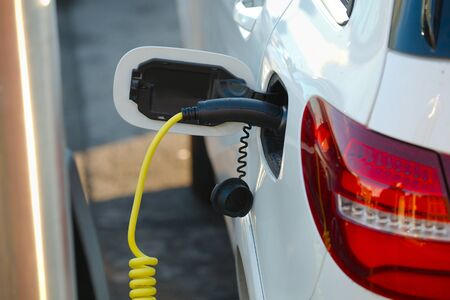

1. Understanding the Indian EV Charging Scenario
In recent years, India has seen a significant rise in the adoption of electric vehicles (EVs), especially in urban areas where concerns about air pollution and fuel prices are high. The government’s push for cleaner mobility and various subsidies have encouraged many Indians to consider switching to EVs. However, while buying an EV is becoming easier, charging it safely and conveniently remains a real concern for most owners.
Most Indian households typically rely on standard 15-amp sockets to charge their vehicles at home. This is the most common setup due to its affordability and ease of installation, even though it may not be as fast or sophisticated as dedicated wall-mounted chargers found in more developed markets. In gated societies and apartment complexes, shared charging stations are slowly becoming popular, but infrastructure is still catching up with demand.
Public charging stations are springing up in metro cities like Delhi, Mumbai, and Bengaluru—often found at malls, petrol bunks, office complexes, and parking lots. Yet, accessibility can be inconsistent, with limited availability in smaller towns and rural areas.
Indian EV owners face unique challenges such as unreliable power supply, voltage fluctuations, lack of standardized connectors, and sometimes the absence of secure parking spaces for overnight charging. Moreover, monsoon rains and extreme weather conditions raise additional safety concerns when handling electrical equipment outdoors.
Understanding these ground realities is crucial for every EV owner or enthusiast in India before diving into safe charging practices that fit our local context.
Choosing the Right Charging Equipment
When it comes to charging your electric vehicle (EV) in India, selecting the right equipment is crucial for safety and efficiency. The first thing to look out for is whether the charger is BIS-certified. The Bureau of Indian Standards (BIS) certification ensures that the charging device meets all local safety regulations and quality benchmarks. This is especially important because Indias electricity supply can be inconsistent in some areas, and a certified charger will be better equipped to handle voltage fluctuations and prevent accidents.
Another aspect to consider is understanding the types of plugs and sockets available in the Indian market. Not every charger is compatible with every EV or power outlet, so it’s essential to know what suits your specific vehicle and home setup. Below is a handy table to help you compare the most common plug types and their compatibility with Indian power grids:
| Plug Type | Common Vehicles | Socket Requirement | Compatibility with Indian Grid |
|---|---|---|---|
| Type 2 (IEC 62196) | Tata Nexon EV, MG ZS EV | Dedicated EV socket | Widely compatible; preferred for fast charging |
| Type 1 (SAE J1772) | Older imported models | Adapter needed in most cases | Less common; check before buying |
| Bharat AC001/DC001 | E-rickshaws, fleet vehicles | Bharat standard sockets | Specifically designed for Indian grid |
| 3-Pin Domestic Plug (15A) | Two-wheelers, entry-level EVs | Standard home socket | Slow charging; ensure wiring quality |
Tips for Selecting Charging Equipment in India:
- BIS Certification: Always choose chargers carrying the BIS mark for guaranteed safety.
- Check Compatibility: Verify which plug type your EV supports before purchasing a charger.
- Assess Power Supply: If you live in an area with frequent power cuts or surges, invest in surge protectors or stabilizers along with your charger.
- Professional Installation: For fast chargers or dedicated home stations, get them installed by a certified electrician familiar with local norms.
- User Reviews: Read feedback from other Indian EV owners online about real-world performance of different chargers.
Selecting the right charging equipment may seem overwhelming at first, but making informed choices will keep your EV safe and charging hassle-free, no matter where you are in India.
3. Safe Installation and Placement of Charging Points
When setting up an EV charging point at home in India, it’s crucial to pay close attention to where you place the charger. Always choose a spot that is dry and protected from rain—monsoons can be quite unforgiving, and water exposure can lead to safety hazards like short circuits or electric shocks. Many Indians prefer installing chargers in a covered garage or under a sturdy shed to keep things safe.
Another important aspect is ensuring proper earthing. In many Indian homes, especially older ones, earthing systems might not be up to the mark. Faulty earthing can cause dangerous current leakage, so it’s wise to get this checked before installation. Don’t just rely on DIY fixes—consult a trusted local electrician who understands Indian wiring standards and can ensure everything is compliant with local regulations.
If you live in an apartment complex or society, always check with your RWA (Resident Welfare Association) or building management before proceeding. Some societies have designated areas for EV charging and may offer guidance about the safest locations.
Remember, using extension cords or makeshift connections is never a good idea. Invest in quality cables and certified equipment for peace of mind and safety.
Lastly, don’t hesitate to ask for help from neighbours who’ve already set up their own charging points; their experience can save you from common mistakes and help you find reliable local electricians.
4. Daily Charging Habits for Indian Conditions
As more Indians switch to electric vehicles (EVs), understanding the best daily charging habits becomes important, especially given our unique power grid challenges and multi-vehicle households. Here’s a practical guide to make your EV ownership experience smooth and safe.
Best Practices for Daily Charging
- Charge Regularly, Not Always Fully: For most Indian city commutes, a full battery isn’t necessary every day. Charging up to 80% helps extend battery life and is sufficient for daily needs.
- Use Manufacturer-Approved Chargers: Stick to the charger provided by your car company or certified alternatives. Avoid local jugad (makeshift) wiring solutions, which can be risky in Indian weather conditions.
- Monitor Charging Area: Make sure the charging area is dry, ventilated, and away from direct sunlight or dust. This is crucial in places with heavy monsoons or high temperatures like Chennai and Delhi.
Charging During Off-Peak Hours
India’s electricity grid often faces peak load issues between 6 pm to 10 pm, especially in summers. Charging during off-peak hours not only reduces strain on the grid but may also lower your electricity bills if you are on a time-of-day tariff plan.
| City/Region | Recommended Off-Peak Hours |
|---|---|
| Mumbai & Pune | 11 pm – 6 am |
| Bangalore | 10 pm – 5 am |
| Delhi NCR | 12 am – 6 am |
If your electricity provider offers an EV-specific tariff, check if scheduling your charging during these hours brings you extra savings – this is increasingly common in metro cities.
Tips for Multi-Vehicle Households
- Create a Charging Roster: If you have two or more EVs at home, make a simple schedule so that both vehicles don’t charge simultaneously. This prevents tripping your home circuit breaker and helps avoid overloading the local transformer.
- Consider Installing a Smart Charger: Some smart chargers available in India let you stagger charging times automatically or prioritize one vehicle over another based on need.
- Cable Management: In joint families or apartments, keep cables organized and avoid running them across walkways to prevent accidents—especially important when there are kids or elders around.
A Sample Charging Roster Table
| Vehicle | User | Charging Time Slot |
|---|---|---|
| Tata Nexon EV | Papa Ji | 11 pm – 2 am |
| Ather 450X Scooter | Sonu (Son) | 2 am – 5 am |
Cultivating these habits can make owning an EV much more convenient while keeping safety and efficiency top of mind in Indian homes.
5. Precautions During the Monsoon and Extreme Weather
India’s monsoon season and extreme summers bring unique challenges when it comes to charging electric vehicle (EV) batteries. Heavy rains, high humidity, and soaring temperatures are part of our daily lives from June to September and during peak summer months. It is crucial to adapt your EV charging practices to stay safe and ensure the longevity of your vehicle’s battery.
Charging Safely During Monsoons
Monsoon rains can be unpredictable and intense, especially in cities like Mumbai, Chennai, or Kolkata. Always make sure to charge your EV in a sheltered area—avoid open spaces or places prone to waterlogging. If you rely on public charging stations, check if the station has waterproof covers or is housed indoors. Never touch charging equipment with wet hands or feet, as this increases the risk of electric shock.
Humidity Hazards
High humidity can cause condensation inside charging ports and connectors. Before plugging in, wipe down both the cable and the port with a dry cloth. If possible, use chargers that have built-in moisture protection or insulation. Regularly inspect your charging cable for any signs of wear or exposed wires—moisture can worsen these issues quickly.
Dealing with Extreme Heat
Summers in India often mean temperatures above 40°C, especially in states like Rajasthan, Gujarat, and Telangana. Charging your EV battery in direct sunlight or under extreme heat can degrade its health over time. Try to schedule charging early in the morning or after sunset when it’s cooler. If you have home charging facilities, set up your charger in a shaded garage or under a carport.
Power Fluctuations During Storms
Frequent thunderstorms can lead to voltage fluctuations and power cuts—common issues across many Indian cities and towns during monsoon. Use surge protectors while charging at home to safeguard against sudden spikes. If there’s lightning outside, wait for the storm to pass before plugging in your vehicle.
Final Tip for Indian EV Owners
No matter where you live—from Kerala’s lush greenery to Delhi’s urban hustle—always follow manufacturer guidelines specific to your car model regarding weather-related charging precautions. Sharing tips with neighbours and fellow EV owners can also go a long way; after all, we’re all navigating India’s diverse climate together! By adopting these simple yet effective practices, you’ll keep both yourself and your electric vehicle safe throughout the year.
6. Community and Apartment Charging Etiquette
In India, more people are living in apartments or gated communities where space and resources must be shared thoughtfully. If you are charging your electric vehicle (EV) in a common parking area, its essential to follow some unwritten rules so that everyone can benefit from the shared infrastructure without any unnecessary drama.
Understanding Shared Charging Spaces
Most societies now have a few dedicated EV charging points, but demand often exceeds supply. Always check your apartment association’s guidelines before plugging in. If there’s a booking system or WhatsApp group for scheduling, use it diligently to avoid confusion. It’s considered bad form to hog the charger—once your battery is sufficiently charged, promptly move your vehicle so others can use the facility.
Respectful Practices in Societies
Remember, not everyone may be familiar with EV culture yet. Be patient if someone parks in front of the charger by mistake—politely explain the importance of keeping the space free for charging. Also, avoid using extension cords that run across walkways as this can be a safety hazard for neighbours, especially elders and children playing around.
How to Avoid Conflicts with Neighbors
A bit of communication goes a long way! Inform your neighbours about your charging schedule or leave your phone number on your dashboard in case someone needs to reach you. Never unplug someone else’s car unless it’s an emergency and you’ve tried contacting them first. If there’s a disagreement, approach the society management rather than getting into arguments directly—it keeps things civil and maintains harmony in the community.
Adopting these simple etiquettes ensures that everyone has access to charging facilities and helps foster a friendly atmosphere among residents. After all, as we say here, “thoda adjust karo”—let’s make it work together!
7. Maintenance, Troubleshooting, and Emergency Measures
Regular maintenance is key to ensuring your EV battery stays healthy, especially given Indias diverse climate and power conditions. Its a good idea to schedule periodic check-ups at authorised service centres—many Indian cities like Bengaluru, Delhi, and Mumbai have dedicated EV workshops. These check-ups usually include checking the charging port, inspecting cables for wear and tear, and ensuring there’s no dust or moisture inside the connectors.
What to Do in Case of Sparks or Power Cuts
If you notice sparks while plugging in your charger, immediately switch off the power supply from the mains. Avoid touching the charger or socket with wet hands—a common habit during monsoon season! In case of frequent power cuts (which many of us experience in cities like Chennai or rural areas), it’s safer to use surge protectors or Residual Current Devices (RCDs) to prevent battery damage. If you’re unsure about any electrical issue, don’t hesitate to call a professional electrician rather than trying a jugaad fix.
Helplines and Support in Major Indian Cities
Most leading EV brands in India offer 24×7 customer support numbers—keep these handy on your phone or pasted near your charging point at home. For emergencies on the road, services like Tata Power EZ Charge and Ather Grid provide helplines in metro cities. There are also community WhatsApp groups and online forums where fellow EV owners share quick solutions and recommend reliable mechanics. Remember, help is always just a call away—don’t hesitate to reach out if you face any issues.
Final Thought
Being proactive with maintenance and knowing how to handle common issues can make your EV ownership smooth and stress-free. Stay safe, stay charged, and enjoy the ride!