
Current State of Public EV Charging Infrastructure in India
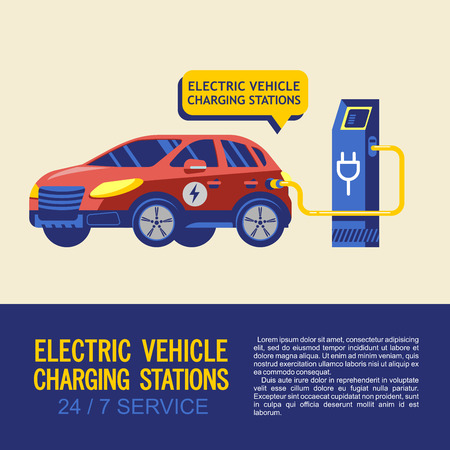
In recent years, the public electric vehicle (EV) charging network in India’s major cities has witnessed significant transformation, driven by increasing urbanisation and a growing shift towards sustainable mobility. Metropolitan hubs such as Delhi, Mumbai, Bengaluru, Hyderabad, and Chennai have emerged as frontrunners in deploying charging stations to support the expanding fleet of electric vehicles. The density of charging infrastructure varies considerably across these cities, with Tier-1 metros generally offering more frequent and accessible charging points compared to Tier-2 and Tier-3 cities. Expansion rates are being accelerated through public-private partnerships and government initiatives like FAME II, with a focus on making EV adoption viable for both commercial fleets and private users.
The types of available infrastructure range from slow AC chargers suitable for overnight residential use to fast DC chargers catering to quick top-ups at strategic urban locations such as shopping malls, office complexes, metro stations, and highways. Many Indian cities have also begun integrating smart charging solutions that allow real-time monitoring and digital payments via UPI and local e-wallets—technologies familiar to the Indian populace. While challenges persist in terms of consistent uptime and standardisation across networks, India’s major urban centres are steadily progressing towards robust EV-friendly ecosystems, setting benchmarks for other regions in the country.
2. City-wise Comparison: Charging Availability in Tier-1 Metros
India’s Tier-1 metropolitan cities are at the forefront of EV adoption, making a comparative analysis of public charging network availability across Delhi NCR, Mumbai, Bengaluru, Hyderabad, and Chennai crucial. Each city demonstrates unique trends in charger deployment density, geographic distribution, and commuter accessibility, directly impacting the ease of EV usage for urban dwellers.
Charging Point Distribution Across Major Cities
| City | Total Public Charging Stations* | Density (Stations per 10 sq. km) | Key Locations Covered |
|---|---|---|---|
| Delhi NCR | 800+ | 4.2 | Metro stations, malls, business hubs |
| Mumbai | 500+ | 3.7 | Railway stations, highways, commercial zones |
| Bengaluru | 600+ | 4.8 | IT corridors, shopping centres, tech parks |
| Hyderabad | 350+ | 2.6 | Civic centres, main roads, educational institutions |
| Chennai | 400+ | 3.0 | Industrial areas, transport nodes, residential complexes |
Commuter Convenience and Accessibility Factors
The effectiveness of a city’s public EV charging infrastructure hinges on more than just station count; strategic placement plays a vital role. For example:
- Delhi NCR has achieved high visibility by integrating chargers within metro premises and popular market locations.
- Mumbai’s focus remains on transit points such as railway stations and arterial highways to support intercity commuters.
- Bengaluru leads in charger concentration along IT corridors and near major tech parks to cater to its large working professional population.
- Hyderabad and Chennai are steadily expanding their networks but still face challenges in last-mile accessibility in peripheral suburbs.
Regional Insights: Gaps & Opportunities
Despite rapid growth, uneven charger distribution persists within most metros—central business districts show higher densities compared to outlying residential or industrial pockets. This gap signals an opportunity for government bodies and private operators to collaborate on incentivizing installation in underserved areas to ensure uniform access and reduce range anxiety for daily commuters.
*Data based on latest reports from state transport departments and industry sources as of Q1 2024.
3. Growth Drivers and Key Challenges
The evolution of public EV charging networks in major Indian cities is shaped by a combination of strong growth drivers and unique local challenges. Understanding these factors is crucial for stakeholders aiming to accelerate the adoption of electric vehicles across urban India.
Local Policy Support
Progressive policy frameworks from both central and state governments have played a pivotal role in stimulating the expansion of public EV charging infrastructure. Initiatives such as FAME-II, state-specific EV policies, and incentives for charging station operators have encouraged faster deployment. Local municipal bodies in cities like Delhi, Bengaluru, and Mumbai offer single-window clearances and subsidized tariffs, making it easier for new entrants to set up charging points.
Private Investments Fueling Expansion
The entry of private sector players, including major energy companies, automotive OEMs, and technology startups, has significantly increased the pace of network rollout. Venture capital funding and partnerships with real estate developers are enabling large-scale installation of charging stations at malls, office complexes, residential societies, and strategic public locations. This trend is especially evident in tech-driven cities like Hyderabad and Pune, where digital payment integration and app-based location services enhance user convenience.
Urban-Specific Challenges
Grid Capacity Constraints
One of the most pressing issues is the limited capacity of urban electricity grids to handle high-volume simultaneous charging. Legacy infrastructure in older city zones can lead to voltage fluctuations or outages during peak hours, necessitating significant upgrades and investments in smart grid technologies.
Land Availability & Regulatory Hurdles
The scarcity of affordable urban land often delays project implementation. Securing permissions from multiple government departments or resolving land ownership disputes can add months to deployment timelines, particularly in densely populated metros like Chennai and Kolkata.
Diverse Consumer Mindsets
Cultural perceptions around EV usage vary greatly across regions. While environmentally conscious consumers in cities like Bengaluru rapidly adopt new mobility solutions, others remain hesitant due to range anxiety, unfamiliarity with charging protocols, or misconceptions about operational costs. Education campaigns and robust after-sales support are critical to building widespread confidence in public EV infrastructure.
In summary, while local policy incentives and proactive private investments act as strong enablers for public EV charging network growth in Indian cities, overcoming technical limitations and addressing nuanced consumer concerns remain essential for sustainable scale-up.
4. Tech Adoption and Indian Consumer Behaviour
The expansion of public EV charging networks in major Indian cities is closely linked to the rapid adaptation of technology, which directly influences consumer behaviour and usage patterns. As e-mobility gains momentum, users are increasingly relying on digital platforms for a seamless experience, from discovering charging locations to making payments and monitoring usage.
E-Mobility-Specific Technology Integration
Indian EV drivers are adopting e-mobility-specific technologies at an accelerated pace. Leading charging network providers have launched mobile applications that facilitate real-time discovery of available charging stations, booking slots, and tracking charging sessions. These apps often feature map integration, station status updates, and even predictive availability based on historical usage data.
Mobile Applications for Finding Charging Points
With urban Indian consumers being highly mobile-first, dedicated EV charging apps are becoming essential tools. The table below highlights key features of popular Indian EV charging apps:
| App Name | Platform | Key Features |
|---|---|---|
| Tata Power EZ Charge | Android/iOS | Real-time location, booking, payment, station ratings |
| Fortum Charge & Drive India | Android/iOS | Live status, route planning, transaction history |
| EV Plugs | Android/iOS/Web | Multi-network search, charger details, user reviews |
| ChargeGrid by Magenta | Android/iOS | Status updates, UPI payments, loyalty points |
UPI-Based Payments: A Cultural Fit
The dominance of Unified Payments Interface (UPI) as a digital payment method in India has significantly shaped how consumers interact with EV charging infrastructure. Most major public charging networks now support UPI-based payments, ensuring frictionless and instant transactions. This aligns with typical Indian consumer expectations for convenience and security in financial transactions.
User Behaviour Insights in Major Cities
Indian consumers display unique behavioural patterns when using public EV chargers:
- Preference for On-the-Go Solutions: Urban users prefer quick-charging options located near malls, offices, and highways for convenience during daily commutes or travel breaks.
- Mobile App Dependency: Most users rely heavily on mobile applications not only to locate chargers but also to monitor session progress and receive notifications.
- Loyalty & Rewards: Many consumers show a preference for networks offering loyalty points or referral incentives integrated within their apps.
- Cautious First-Time Usage: New adopters tend to seek detailed guides or video tutorials before using public chargers, reflecting a need for educational content within apps.
- Pain Points: Common concerns include charger availability during peak hours and the reliability of app-based information regarding charger status.
5. Role of Public-Private Partnerships
Government Bodies: Laying the Regulatory Foundation
The central and state governments in India have been pivotal in framing policies, offering subsidies, and simplifying regulatory processes to boost public EV charging infrastructure. Initiatives like FAME II and guidelines from the Ministry of Power set clear directives for charging station deployment, prioritising city clusters with high EV adoption potential such as Delhi NCR, Mumbai, Bengaluru, and Hyderabad. By defining safety protocols and facilitating permissions, government agencies ensure nationwide consistency while respecting regional logistical constraints.
PSU Energy Majors: Driving Early Adoption
Public Sector Undertakings (PSUs) like Indian Oil Corporation, Bharat Petroleum, and NTPC have leveraged their vast networks to install EV chargers at fuel stations and urban nodes. Their involvement is critical due to their trusted brand presence, real estate access, and capability to operate at scale. These PSUs act as anchor players—de-risking early investments and enabling standardisation across major Indian cities.
Private Sector Players: Accelerating Innovation & Reach
Private enterprises—including Tata Power, Ather Energy, Magenta ChargeGrid, and global entrants—bring much-needed agility, technology innovation, and customer-centric solutions to the EV charging ecosystem. They address Indian-specific operational challenges such as fragmented urban layouts, variable power supply quality, and multilingual user interfaces. Through strategic tie-ups with malls, tech parks, fleet operators, and residential complexes, private players ensure last-mile accessibility while introducing mobile payment systems tailored to local preferences.
Synergistic Collaboration: Addressing Indian Logistical Realities
The success of public EV charging expansion in India hinges on a synergistic approach where government policy frameworks facilitate investment security; PSUs provide scale and reliability; and private firms innovate for efficiency and user experience. Joint ventures—for example between state nodal agencies and private charge point operators—are now commonplace in metro cities. Such collaborations address issues like land availability, grid integration, and city-specific traffic patterns—making public EV charging both accessible and sustainable for diverse Indian mobility needs.
6. Future Trends and the Way Forward
The trajectory of public EV charging networks in major Indian cities is poised for significant evolution, driven by both technological advancement and policy support. As India’s urban centers continue their transition towards sustainable mobility, several emerging trends are set to shape the future landscape.
Forecasting Emerging Trends in EV Charging
Major cities like Mumbai, Bengaluru, Delhi, and Hyderabad are expected to witness a surge in ultra-fast charging stations, catering to the growing demand from fleet operators and private EV owners alike. The adoption of smart charging solutions—enabled by IoT and AI—will optimize grid usage, reduce peak load pressure, and offer predictive maintenance for charging infrastructure. Furthermore, location intelligence will play an increasing role in the strategic placement of new stations to maximize accessibility and convenience.
Integration with Renewable Energy Sources
A critical future trend is the integration of public EV charging with renewable energy such as solar and wind. This alignment not only reduces carbon footprint but also addresses grid reliability concerns during peak hours. Rooftop solar-powered charging stations and microgrid-enabled hubs are already being piloted in select metropolitan areas, signaling a scalable model for pan-India deployment.
Scaling Standards Across India
With diverse stakeholders involved—from state utilities to private charge point operators—standardization across hardware interfaces, payment systems, and interoperability protocols is crucial. National policies like FAME II are pushing for uniform standards to ensure seamless user experience regardless of city or charging provider. As harmonized norms gain traction, consumers can expect simplified access to nationwide charging networks through unified apps and digital platforms.
Implications for Sustainable Urban Mobility
The advancements in public EV charging networks will have far-reaching impacts on India’s urban mobility ecosystem. Reliable and widespread infrastructure will be instrumental in accelerating EV adoption, reducing urban air pollution, and achieving national climate goals. Moreover, these trends promise enhanced last-mile connectivity, improved logistics efficiency for e-commerce players, and job creation within the green tech sector.
In summary, as Indian cities move ahead on their e-mobility journey, the convergence of technology innovation, renewable energy integration, robust standardization, and supportive policy frameworks will define the next era of sustainable transportation. The way forward lies in collaborative action between government bodies, industry leaders, and consumers to realize a cleaner, smarter urban future powered by electrified mobility solutions.