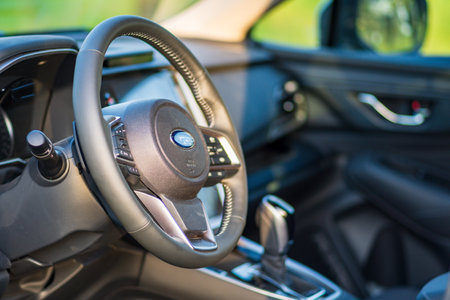

Importance of Checking Car Interiors in India
When it comes to buying a car in India, most people focus on the engine, mileage, and exterior looks. But let me tell you from personal experience: checking the interior condition and features is just as important, if not more! Indian roads and weather can be really tough on a car’s interiors. From the scorching summer heat to unexpected monsoon downpours, our cars face it all. Plus, with the daily hustle — kids, pets, groceries, or even long commutes in traffic — the inside of your car goes through a lot of wear and tear.
Why does this matter? Well, comfort is king, especially when you’re spending hours stuck in city traffic or taking road trips with family. If the seats are uncomfortable, or if there’s dust everywhere because of poor sealing, your driving experience takes a hit. Not to mention, dust and pollution are common issues in many Indian cities — and these can settle into upholstery and air vents very quickly. So before you finalise your purchase, always make it a habit to thoroughly check the interiors. Trust me, this small step will help you avoid bigger headaches down the line!
2. Seats & Upholstery: Comfort Meets Durability
If you have ever driven through Mumbai’s notorious traffic or taken your family for a long road trip to Goa, you’ll know how much the car seats matter! For Indian car buyers, the seats and upholstery are not just about looks—theyre about everyday comfort, practicality, and handling our unique challenges (think: hot summers, monsoons, and yes, accidental chai spills).
What Should Indian Buyers Look For?
When inspecting the interior of a used or new car, pay close attention to both the material and the ergonomics of the seats. Here’s what you should check:
| Feature | Why It Matters in India | Quick Tip |
|---|---|---|
| Material Type | Fabric is cooler in summer heat but stains easily. Leatherette is easier to clean after food or chai spills but can get hot. | If you park outdoors, lighter colours or breathable covers work best. |
| Cushioning | Long commutes need well-cushioned seats for back support—important for families and office-goers alike. | Sit for at least 10 minutes during your test drive to really feel the comfort. |
| Adjustability | Height-adjustable driver seat helps if different family members will drive—especially useful for joint families. | Check if rear seats can recline or split-fold for extra luggage space during family trips. |
| Child Friendliness | Easy-to-clean surfaces and anchor points for child seats are a must if you have kids at home. | Ask about ISOFIX compatibility if you plan on using child seats. |
| Wear & Tear Signs | Check for sagging cushions, torn covers, or faded fabric—common in cars that have seen heavy use (especially taxis). | If possible, lift seat covers to inspect underneath for hidden damage or moisture. |
The Reality of Food & Chai Spills!
Let’s be honest—whether it’s pani puri in the backseat or a quick tea break during a highway journey, spills happen more than we’d like. That’s why easy-wipe materials or removable covers are such a boon for Indian families. If you’re checking a pre-owned car, sniff for any lingering smells; sometimes dampness from old spills can lead to mould or bad odours.
The Bottom Line for Indian Car Owners
Your cars seats are where all your journeys begin and end—from school runs to late-night dhaba stops. So when evaluating interior condition and features, give those seats an extra minute of attention—theyll be with you through every festival rush, rainy season drive, and Sunday market run!

3. Climate Control: Beat the Heat and Humidity
Let’s be honest, Indian summers can get absolutely brutal. If you’ve ever driven through Delhi or Chennai in May, you know what I’m talking about—blazing sun, sticky humidity, and that desperate longing for a cool breeze inside your car. That’s why checking the climate control features is not just a luxury; it’s a must for every Indian car buyer.
Air Conditioning Essentials for Indian Summers
First things first—ensure that the air conditioning system works efficiently. Don’t just switch it on for a few seconds during your inspection. Let it run for a while and feel if the cabin cools down quickly. In cities like Mumbai or Kolkata, where the humidity hits you harder than the heat itself, a powerful AC is non-negotiable. Also, check if the AC maintains performance on both idle and running engines—sometimes older systems start strong but fade fast.
Must-Have Features: Rear AC Vents
If your family or friends often travel with you, rear AC vents are a total game-changer. With our big joint families and frequent road trips, everyone in the back seat deserves to stay comfortable too! Many newer models cater to this Indian need by offering dedicated rear vents, so make sure your shortlisted car has them. It makes all the difference during those long drives to Goa or hill stations when everyone wants their fair share of cool air.
Good Ventilation Matters
It’s not just about cooling; proper ventilation keeps you fresh during monsoon season as well, when cabins tend to get stuffy and foggy. Look out for features like adjustable air flow direction and quick defogging systems—these are real lifesavers when you’re stuck in traffic during a surprise Bengaluru downpour. Trust me, once you experience a well-ventilated car in Indian weather, you’ll never settle for less.
So next time you inspect a car, don’t shy away from spending those extra minutes testing out every vent and airflow setting. After all, nothing beats stepping into a perfectly cooled cabin after facing the great Indian outdoors!
4. Infotainment & Connectivity for Indian Roads
If you ask any Indian car buyer today, they will tell you that a good infotainment system is no longer just a luxury—its a necessity. Our long commutes, spontaneous road trips, and even daily city drives are made enjoyable and convenient with the right mix of entertainment and connectivity features inside the car.
When checking the interior condition of a pre-owned or new car, always pay close attention to the infotainment unit. Here’s what most Indians look out for:
| Feature | Why It Matters in India |
|---|---|
| Touchscreen Display | Easy controls for music, calls, and navigation—especially helpful in bumper-to-bumper traffic. |
| Smartphone Connectivity (Android Auto/Apple CarPlay) | Most of us rely on our phones for maps and playlists; seamless integration means less distraction while driving. |
| Navigation in Regional Languages | India is diverse! Having map directions in Hindi, Tamil, Bengali, or your local language makes navigation much more comfortable for everyone in the family. |
| Bass-Heavy Speakers & FM Radio | Nothing beats Bollywood hits or devotional songs on a crisp sound system during those endless highway journeys or morning commutes. |
| Bluetooth & USB Ports | Essential for hands-free calling and charging multiple devices—a must-have for families and group travellers. |
Regional Navigation Support: A Real Game-Changer
Many modern cars now offer navigation support in various Indian languages. This is particularly useful if your parents or elders aren’t comfortable with English instructions. Make sure to test this feature when inspecting the infotainment system—ask the dealer to show you how it works in your preferred language.
Music: The Heartbeat of Every Indian Drive
No Indian journey is complete without music—be it Lata Mangeshkar classics, latest Bollywood chartbusters, or even folk tunes from your home state. When checking interiors, turn up the volume and listen for clarity at both low and high levels. Don’t hesitate to try out different music genres to ensure the speakers suit your taste!
A Quick Checklist Before You Buy:
- Is smartphone pairing smooth and quick?
- Does navigation provide accurate directions in your chosen language?
- Are all speakers functional without distortion?
- Can you access radio stations across major cities?
- Are there enough charging ports for all passengers?
Remember, a well-equipped infotainment system not only keeps everyone entertained but also makes every drive safer and more connected. For many Indian families, these features become cherished companions on every journey—big or small.
5. Practical Storage: Making Space for Indian Lifestyles
When it comes to buying a car in India, storage solutions inside the cabin can truly make or break your everyday experience. Indian families often travel together, go on long drives, and carry everything from shopping bags to cricket kits and a week’s worth of groceries. Thats why checking the practicality of storage features is a must during your car inspection.
Glove Boxes: More Than Just Manuals
The glove box isn’t just for keeping the owners manual and insurance papers. For most Indian drivers, it doubles up as a safe spot for sunglasses, dry snacks, mobile chargers, and even small first-aid kits. Open the glove box and check if it offers enough space and easy access. Some cars now come with cooled glove boxes—super useful for keeping chocolates or medicines from melting in our hot summers.
Bottle Holders & Cup Holders: Hydration on the Go
We Indians love our chai on long drives and need quick access to water bottles in every season. Look around the cabin—are there adequate bottle holders on all doors? Can they fit your usual 1-litre bottle or only tiny ones? Extra cup holders between seats are also handy during road trips or when you grab a cold drink at a highway dhaba.
Boot Space: Shopping Bags to Family Outings
The boot is another crucial area, especially for families who shop in bulk or travel with lots of luggage. Try fitting in your regular shopping bags or a stroller if you have kids. Check if the rear seats fold down easily to create more space when needed. A low loading lip helps you slide in heavy bags without straining your back—a small but significant detail.
Our Takeaway: Prioritise Everyday Usability
Storage options may seem like minor details at first glance, but they reflect how well a car fits into your daily life. During your next test drive or inspection, pay close attention to these practical features so you don’t end up struggling with cluttered interiors later. After all, the best car is one that adapts seamlessly to your lifestyle—whether its city commutes, family picnics, or festival shopping sprees!
6. Safety Features: Peace of Mind on Indian Roads
When buying a car in India, safety is one area you simply can’t compromise on, especially considering our unpredictable traffic and diverse road conditions. Let’s be honest—whether you’re navigating through bustling city lanes or hitting the highways during monsoon season, interior safety essentials make all the difference for your peace of mind and your family’s protection.
Airbags: Your First Line of Defence
Most modern cars in India now come with at least two front airbags as standard, but it’s worth checking if side and curtain airbags are also available, especially in higher variants. In our traffic-heavy cities, even a minor collision can have serious consequences, so always inspect if airbags are present, their deployment history (if buying used), and their indicator lights on the dashboard.
Seat Belts: A Non-Negotiable Must-Have
Indian roads can be chaotic, so seat belts are not just a rule—they’re a lifesaver. Make sure every seat has a working seat belt, including those in the back. Look out for features like pretensioners and adjustable height, which add an extra layer of comfort and safety. For families with kids or elderly members, easy-to-use seat belts make regular drives much more reassuring.
Child Locks: Essential for Family Safety
If you have children, child locks on rear doors are a must-have feature. These locks prevent little ones from accidentally opening doors while the car is moving—a common concern in crowded Indian streets or when parked near busy markets. Don’t forget to check how easily these locks can be engaged or disengaged during your test drive.
Why Interior Safety Features Matter in India
In India’s unique driving environment—think sudden potholes, unexpected animals crossing, and erratic traffic—interior safety features aren’t just technical jargon; they’re real-life protectors. During your car inspection, don’t hesitate to test all safety features yourself. Try buckling every seat belt, ask about airbag status, and double-check child lock functionality. After all, these checks could mean the difference between a close call and a major accident.
Remember, prioritising interior safety features while checking a car gives you confidence on any Indian road—be it daily commutes in Mumbai traffic or long drives across Kerala’s winding highways.
7. Electricals & Controls: Reliability is Key
When it comes to buying a car in India, especially with our unpredictable weather and traffic conditions, checking the electricals and controls inside the vehicle is a must-do step. We all know how frustrating it can be when the power windows get stuck during a sudden downpour or when dashboard switches stop working right in the middle of bumper-to-bumper traffic. That’s why it’s essential to do a quick test of all electrical components before making any decisions.
Power Windows
First things first, try rolling up and down each power window a few times. In Indian cities, monsoons can hit without warning, so you don’t want a jammed window when rainwater starts pouring in. Listen for any strange noises or slow movement, as these could be signs of failing motors or wiring issues.
Dashboard Controls
The dashboard is your command centre on those long drives through our busy streets. Test every button – from the AC to the infotainment system. Make sure everything lights up and responds properly. Sometimes, even new-looking cars can have hidden issues due to previous tampering or poor maintenance.
Lighting Systems
Headlights, taillights, indicators, and cabin lights are not just about visibility; they’re also about safety on Indian roads, especially at night or during foggy mornings. Check that all bulbs work and switch smoothly between modes. If possible, step outside to see if brake lights respond instantly—this could prevent rear-end collisions in heavy traffic.
Other Electrical Features
Don’t forget smaller features like rear defoggers, wipers (front and back), horn, charging ports, and central locking systems. These may seem minor but can make a big difference during daily commutes or road trips across India’s diverse terrain. A reliable set of electricals means fewer headaches during unexpected situations—whether it’s getting caught in Mumbai rains or navigating Delhi’s busy intersections.
In short, always give special attention to the car’s electricals and controls during your interior inspection. Reliable functioning ensures comfort and convenience no matter where your Indian adventures take you!