
Understanding Indian Weather Impact on Fuel Efficiency
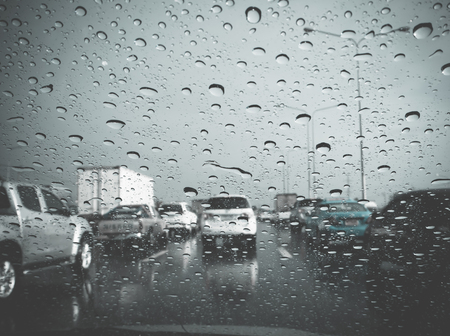
India’s diverse climatic conditions play a significant role in determining your vehicle’s fuel efficiency. From the intense heat of Rajasthan and Gujarat to the heavy monsoons in Kerala and the North-East, and the dusty, humid environment of many urban and rural areas, each weather condition affects your car’s performance and mileage differently. High temperatures can cause fuel evaporation and put extra load on air conditioning systems, which increases fuel consumption. During monsoons, wet roads, increased traffic congestion, and water-logged streets force engines to work harder, reducing overall efficiency. Dusty environments, common in cities like Delhi or during dry seasons in central India, can clog air filters and decrease engine performance. Humidity levels, particularly in coastal regions such as Chennai or Mumbai, may also influence combustion efficiency inside the engine. Understanding these regional variations is essential for Indian drivers who want to maintain optimal fuel efficiency throughout the year.
Proper Tyre Maintenance for Indian Roads
Maintaining your car’s tyres in top condition is crucial for achieving optimal fuel efficiency, especially on diverse and often challenging Indian roads. The country’s climate varies from scorching summers to heavy monsoon rains, making tyre maintenance not just a matter of safety but also of saving fuel. Underinflated or overinflated tyres can significantly reduce mileage, while poor alignment and unsuitable tyre types can lead to unnecessary energy loss and faster wear-and-tear.
Importance of Correct Tyre Pressure
Keeping your tyre pressure at the recommended level ensures less rolling resistance, meaning your engine doesn’t have to work as hard. This directly improves fuel economy and increases the lifespan of your tyres, which is essential given India’s mix of highways, city roads, and rural tracks. It is advisable to check your tyre pressure every fortnight or before long drives, especially during extreme weather changes.
Recommended Tyre Pressure for Common Car Types in India
| Car Type | Front Tyres (psi) | Rear Tyres (psi) |
|---|---|---|
| Hatchback (e.g., Maruti Swift) | 30-32 | 30-32 |
| Sedan (e.g., Honda City) | 32-34 | 32-34 |
| SUV (e.g., Tata Harrier) | 33-35 | 33-35 |
Tyre Alignment and Balancing
Potholes and uneven surfaces are common on Indian roads, making regular wheel alignment and balancing necessary. Misaligned wheels increase rolling resistance, reduce mileage, and cause uneven tyre wear. Schedule alignment checks every 5,000 to 10,000 km or if you notice uneven steering or vibration.
Choosing Suitable Tyres for Local Conditions
Selecting the right type of tyre based on local weather and road conditions plays a vital role in maintaining fuel efficiency. For instance, tyres with deeper treads are better suited for monsoons to avoid hydroplaning, while all-season tyres are ideal for cities experiencing moderate climates. If you frequently drive on rough terrain or encounter heavy rains, invest in tyres designed for those specific situations to ensure both safety and optimal fuel consumption.

3. Smart Driving Habits during Traffic and Weather Fluctuations
India’s roads are famous for their bustling city traffic, narrow lanes in crowded markets, and unpredictable weather—especially heavy monsoon rains. Adopting smart driving habits in these typical Indian scenarios can go a long way in maintaining your car’s fuel efficiency.
Tips for Efficient Driving in Stop-Start City Traffic
Frequent braking and acceleration in bumper-to-bumper traffic burn extra fuel. To reduce wastage, maintain a safe following distance so you can coast smoothly when traffic slows down, rather than slamming the brakes. Use gentle acceleration and avoid unnecessary revving of the engine, especially at signals. If you’re stuck for more than 60 seconds at a railway crossing or jam, switch off your engine to save fuel.
Crowded Markets and Narrow Lanes
While navigating busy bazaars or residential colonies, drive at low speeds and avoid sudden gear changes. Plan your route to avoid peak hours if possible. Using first or second gear unnecessarily will only increase fuel consumption—shift gears smoothly and keep your RPMs low.
Dealing with Heavy Rains and Bad Roads
Monsoon season brings its own set of challenges like waterlogged streets and potholes. Avoid splashing through water at high speed as it increases resistance and lowers mileage. Drive steadily without frequent acceleration or braking, as slippery roads already demand more control over the vehicle. Always check your tyre pressure after heavy rains; under-inflated tyres reduce fuel efficiency.
Other Common Indian Scenarios
In hilly regions or while overtaking slow-moving vehicles on highways, use higher gears whenever possible. Avoid excessive idling—whether waiting for passengers or at toll booths—to prevent unnecessary fuel loss. Remember, patience on Indian roads not only keeps you safe but also ensures better mileage for your car.
4. Optimising Car Air Conditioning Usage
In Indian summers, where temperatures often soar above 40°C and humidity levels can be high, using the car’s air conditioning (AC) becomes essential for comfort. However, improper AC usage can significantly affect your vehicle’s fuel efficiency. Here are some practical tips for optimising AC usage in Indian weather conditions without compromising comfort or burning extra fuel.
Smart AC Practices for Maximum Efficiency
Before switching on the AC at full blast, try ventilating your car by opening all doors and windows for a minute to let the hot air escape. This reduces the initial cooling load on your AC system. Once inside, set the AC to a moderate temperature—between 24°C and 26°C is usually comfortable for most people and avoids excessive fuel consumption.
Choose Recirculation Mode Wisely
Use the recirculation mode on your AC once the interior has cooled down. This prevents hot outside air from entering, allowing the system to work less and maintain a consistent temperature with lower energy use.
Do Not Idle with AC On
Running your car stationary with the AC turned on is a common practice in Indian cities while waiting for someone or during traffic jams. However, this increases fuel consumption considerably. If you are parked for more than a couple of minutes, switch off both the engine and AC to save fuel.
Comparison Table: Fuel Consumption with Different AC Practices
| AC Usage Practice | Fuel Consumption Impact | Comfort Level |
|---|---|---|
| Full blast at low temperature (18-20°C) | High increase (up to 20% more) | Very cool but uncomfortable over long duration |
| Moderate setting (24-26°C) with recirculation | Minimal increase (5-10%) | Comfortable & balanced |
| Idle with AC On | Very high (wastes fuel) | Comfortable but costly |
| No recirculation in heavy traffic | Moderate increase due to continuous fresh air intake | Might lead to uneven cooling |
Regular Maintenance Matters
A well-maintained AC system works more efficiently. Clean or replace cabin filters periodically, check refrigerant levels, and get your system serviced before peak summer months begin. This is especially important in dusty environments like those found in many Indian cities.
By following these India-specific tips, you can keep your car cool during harsh summers while keeping fuel costs in check—striking a balance between comfort and economy that suits Indian driving conditions perfectly.
5. Regular Servicing and Engine Care
In Indian weather and road conditions, timely car servicing is crucial for maintaining optimal fuel efficiency. The intense summer heat, monsoon moisture, and dusty roads can all impact your vehicle’s engine performance if not properly addressed. Following the manufacturer’s service schedule ensures that your car’s engine remains in top shape. Prioritise regular oil changes, as old or degraded engine oil increases friction and reduces efficiency—especially with the stop-and-go traffic common in Indian cities. Additionally, due to high dust levels on Indian roads, air filters tend to clog faster. Check and clean or replace air filters at shorter intervals to allow proper airflow to the engine, which helps improve mileage. Another important aspect is fuel injector maintenance; dirty injectors cause uneven fuel spray, leading to poor combustion and increased consumption. Ask your mechanic for periodic fuel injector checks and cleaning, particularly if you often drive in congested urban areas or regions with lower fuel quality. By adhering to these guidelines tailored for Indian driving conditions, you not only boost your vehicle’s fuel efficiency but also ensure long-term engine health.
6. Fuel Quality and Local Pump Selection
When it comes to maintaining fuel efficiency in Indian weather and climate conditions, the quality of fuel you use is just as important as your driving habits. The Indian fuel market varies greatly from city to city and even within local areas. Using substandard or adulterated fuel can lead to engine knocking, decreased mileage, and long-term damage to your car’s engine components. These issues are often aggravated by extreme heat or monsoon conditions, which are common across India.
How to Choose a Trustworthy Fuel Station
Always opt for reputed petrol pumps that are either company-owned or have a strong track record for quality and transparency. Avoid roadside or lesser-known pumps, especially in remote areas, as these may be more prone to mixing impurities or diluting fuel. It is wise to observe the number of vehicles frequenting a pump—busy stations usually have fresher fuel stocks and better turnover, reducing the risk of contaminated fuel.
The Importance of High-Quality Fuel
Using high-quality fuel not only helps prevent engine knocking but also ensures optimal combustion inside your engine. This means your car runs smoother, emits fewer pollutants, and delivers better mileage—a crucial advantage in India’s stop-and-go traffic and fluctuating temperatures. Investing in premium fuel occasionally can also help clean internal components and keep your vehicle running efficiently.
Additional Tips for Indian Drivers
Ask locals or trusted mechanics for recommendations on reliable fuel stations in new areas. Always collect bills after fueling; this provides a paper trail if any issues arise. Consider using loyalty programs offered by major oil companies—they often come with quality assurance benefits.
By being selective about where you refuel and prioritising high-quality petrol or diesel, you can safeguard your engine against common Indian challenges like heat stress, moisture during monsoons, and dust contamination, all while maximising your car’s fuel efficiency.