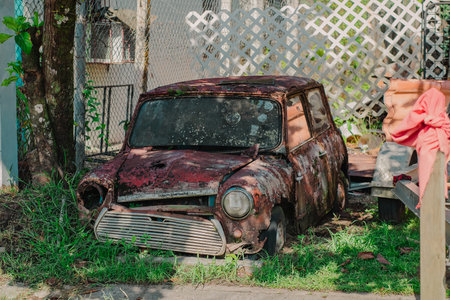

1. Understanding the Real Costs of Refurbishing an Old Car in India
When you decide to give your old car a new lease on life, it’s essential to break down the actual expenses you’ll face along the way—especially in India, where every rupee counts and local conditions can significantly impact your budget. The most obvious cost is replacement parts. Whether it’s a set of brake pads from Delhi’s Karol Bagh market or a new clutch from Chennai’s automobile spares bazaar, prices vary wildly based on brand preference and availability. Next up is labour charges. Local garages may quote lower rates compared to authorized service centers, but remember: sometimes paying a little extra for skilled workmanship saves you headaches down the road. Don’t forget about painting and denting; getting that showroom shine back might require anything from a simple touch-up to a full-body repaint, with costs ranging accordingly. Then there’s the paperwork—renewing registration, updating insurance, or even handling pollution certificates—all add up, both in terms of time and money. Finally, keep an eye out for hidden costs: surprise rust repairs under those old floor mats or unexpected electrical gremlins can blow your budget if you’re not careful. Knowing these elements up front helps you make smarter decisions about how much is really wise to invest in your beloved ride.
Factors That Influence Your Budget: Make, Model & Age
If you’ve decided to give your old car a new life, the next big question is: how much should you actually spend? In India, the answer depends heavily on your car’s make, model, and age. Each of these factors can drastically shift both the restoration costs and the future investment value.
1. Car Brand (Make)
Let’s face it—restoring a Maruti Suzuki won’t cost the same as bringing back a vintage Ambassador or a high-end Honda City. Popular brands with easily available spare parts are generally cheaper to refurbish. On the other hand, rare or luxury brands often require imported parts and specialised mechanics, shooting up costs significantly.
2. Model Type
The model decides not just your car’s identity but also how deep you’ll have to dig into your pocket. For example, hatchbacks usually come with lower refurbishment costs compared to SUVs or sedans because of simpler engineering and smaller size. Also, some models are known for their robust engines and longer lifespans, which could mean less investment in repairs and higher returns if you decide to sell.
| Make/Model | Spare Part Availability | Average Refurbishment Cost (INR) | Resale Value Boost (%) |
|---|---|---|---|
| Maruti Alto | Very High | 30,000 – 60,000 | 20-25% |
| Tata Indica | High | 40,000 – 70,000 | 18-22% |
| Honda City (Old Gen) | Medium | 50,000 – 1,00,000 | 22-28% |
| Fiat Premier Padmini | Low | 1,00,000+ | 30%+ |
3. Age & Condition of Vehicle
The older your car, the more likely it is to have hidden issues—from engine troubles to rusted bodywork. A ten-year-old Swift may only need cosmetic touch-ups and basic servicing, while a twenty-year-old Mahindra Jeep might need a complete overhaul. Remember: sometimes it’s wiser to invest in a well-maintained used car than pour money into an ancient vehicle with structural damage.
The bottom line? It pays to carefully assess these factors before setting your refurbishment budget. In India’s diverse auto landscape, smart choices about make, model, and age can help you balance emotional attachment with wise financial decisions.

3. Choosing Between DIY and Professional Workshops
When it comes to refurbishing an old car in India, the big decision is whether you want to roll up your sleeves and do-it-yourself or trust your beloved ride to the hands of a professional. Both options have their own appeal, depending on your budget, skillset, and expectations. Let’s dive into what works best for Indian car owners like us.
DIY Refurbishment: The Joy (and Pain) of Doing It Yourself
If you’re someone who grew up tinkering with your father’s scooter in the verandah or fixing a puncture on the side of the highway, DIY refurbishment might sound tempting. It’s usually lighter on the wallet since you’re mainly spending on parts and basic tools. Plus, there’s a different kind of satisfaction when you see your hard work pay off—nothing beats that feeling when your old Maruti or Ambassador starts purring again! However, finding genuine spare parts can be tricky in smaller towns, and without proper technical knowledge, you might end up making mistakes that cost more in the long run. Not to mention, if you don’t have access to specialised tools or know-how for newer models, things can get complicated fast.
Professional Workshops: Local Garages vs Authorised Service Centres
India’s local garages are legendary—they’re often run by mechanics who have been working on cars for decades and know every nut and bolt by heart. Labour charges are generally reasonable compared to authorised service centres, and they’re usually willing to source used or refurbished parts to fit a tight budget. But quality can vary a lot from one garage to another, so it helps to ask around for recommendations among friends or neighbours.
Authorised service centres, on the other hand, offer peace of mind with genuine parts, standardised processes, and warranties on repairs. The catch? They tend to be pricier, especially if your car is out of warranty. For those driving newer models or luxury brands like Hyundai Creta or Tata Harrier, sticking with authorised centres might be a wise choice to maintain resale value.
Weighing the Pros and Cons
At the end of the day, your choice depends on how much time you can invest, your comfort with getting your hands dirty, and how much risk you’re willing to take. If budget is king and you have some mechanical know-how (or friends who do), DIY is rewarding. If reliability and quality assurance matter more—especially for major work—local garages or authorised workshops are safer bets. Most Indian car owners find a middle path: doing small jobs at home but turning to trusted mechanics for bigger tasks. Whichever route you choose, remember: it’s not just about saving money—it’s about enjoying the journey as much as the destination!
4. Common Pitfalls: Where Desi Car Owners Lose Money
If you ask any seasoned Indian car enthusiast, you’ll hear stories of friends or family who lost track of their spending while refurbishing an old car. It’s a journey full of emotion, nostalgia, and sometimes—costly mistakes. Let’s break down where most Indian car owners go wrong, and how you can avoid these money traps when investing in your own vehicle’s makeover.
Over-spending on Unnecessary Upgrades
It’s tempting to splurge on fancy alloy wheels, high-end audio systems, or imported accessories just because “Sharma ji ke bete ne bhi lagwaya hai!” However, not every upgrade adds value or enhances your driving experience in Indian conditions. Prioritise safety and reliability over bling. Here’s a quick look at upgrades that often result in poor ROI:
| Upgrade Type | Typical Cost (INR) | Practical Value |
|---|---|---|
| Alloy Wheels | 20,000–40,000 | Mainly aesthetics; minimal functional gain |
| Custom Audio Systems | 10,000–50,000+ | Personal enjoyment; resale value rarely increases much |
| LED/HID Lights | 5,000–20,000 | May cause legal issues if not RTO-approved |
Choosing Cheap Fix-its Over Quality Repairs
The jugaad mentality can sometimes backfire. Saving a few thousand rupees by choosing local mechanics or non-genuine spare parts may offer short-term relief but leads to more frequent breakdowns and higher costs later. Remember, a penny saved unwisely is a rupee lost tomorrow.
Ignoring Essential Work: A False Economy
Many desi car owners postpone crucial repairs like suspension overhaul, brake replacement, or rust treatment because “abhi toh chal rahi hai.” These ignored issues turn into bigger problems—both for safety and your wallet—down the line. Make sure to budget for:
- Comprehensive engine check-up and repairs
- Chassis and underbody rust-proofing
- Suspension and braking system overhaul
Mistake vs Wise Move: Quick Reference Table
| Mistake | Wise Alternative |
|---|---|
| Focusing on cosmetics first | Address mechanical & safety essentials before looks |
| Bargain-hunting for major components | Opt for OEM or trusted aftermarket brands for critical parts |
A Final Word from Experience
The bottom line? Don’t let emotions override logic. In India, smart refurbishment means putting function over form and quality over quantity. By learning from others’ mistakes, you’ll make your old car shine without burning a hole in your pocket.
5. Smart Investments: What Adds Real Value on Indian Roads
When you’re planning an old car refurbishment in India, it’s important to focus your spending on upgrades that truly add value—not just in resale price, but also in daily driving comfort and safety. The unique conditions of Indian roads demand a thoughtful approach. Here are some investments that make a real difference:
Reliable Suspension and Tyres: Handle Bumpy Roads
Upgrading your suspension system is one of the wisest moves for Indian road conditions. Whether you’re navigating potholes in Mumbai or uneven rural tracks, a robust suspension can transform your driving experience. Don’t forget to pair this with good-quality, all-weather tyres—these not only improve ride comfort but also boost safety during monsoon season.
Efficient AC System: Beat the Heat
The Indian summer is no joke! Investing in an efficient air conditioning system will make every journey more pleasant, especially during those scorching May afternoons. Refurbishing or upgrading the AC might seem minor, but it’s a game-changer for day-to-day usability—and a strong selling point if you ever decide to part ways with your car.
Modern Infotainment and Connectivity
Let’s face it, most older cars come with outdated audio systems. Upgrading to a touchscreen infotainment unit with Bluetooth and navigation features can dramatically improve your driving pleasure and convenience. With traffic jams being part and parcel of city life, quality entertainment and easy connectivity are must-haves for today’s urban drivers.
Basic Safety Upgrades: Worth Every Rupee
If your vehicle doesn’t already have them, installing basic safety features like reverse parking sensors or cameras is a smart move. Given the unpredictable nature of Indian traffic and crowded parking lots, these upgrades reduce stress and help prevent minor accidents—saving you money (and headaches) in the long run.
Value-Boosting Cosmetic Touches
A fresh coat of paint or new seat covers won’t necessarily hike up resale value by lakhs, but they do wonders for the look and feel of your car. These cosmetic improvements make driving more enjoyable and create a positive impression if you choose to sell.
Remember, investing wisely in these key areas ensures that every rupee spent on refurbishment goes further—delivering genuine returns through improved durability, comfort, safety, and overall satisfaction on India’s diverse roads.
6. Is Refurbishing Worth It? Real Experiences from Indian Car Owners
When it comes to spending money on old car refurbishment in India, the opinions are as diverse as our country itself. For some, giving their trusted Maruti 800 or a classic Ambassador a new lease of life is truly paisa vasool—absolute value for money. Take Mr. Sharma from Delhi, for instance. He spent around ₹80,000 bringing his 15-year-old Alto back to glory. “My car feels brand new, and I know every nut and bolt,” he proudly shares. According to him, the emotional attachment and reliability outweigh the costs—especially since buying a new car was out of reach due to rising prices and taxes.
On the other hand, there are stories from folks like Ms. Priya in Bengaluru who felt refurbishing her Swift was more trouble than it was worth. After shelling out nearly ₹1 lakh on engine work and interiors, she found recurring issues popping up. “Every few months, something else needed fixing,” she says. For Priya, investing in a newer second-hand car with warranty would have been a wiser move.
Many car owners also mention the importance of finding a trustworthy mechanic or garage—someone who understands Indian road conditions and can source quality parts without overcharging. In smaller towns, local jugaad solutions sometimes do wonders, while city garages may quote higher prices for the same job.
Ultimately, whether refurbishing an old car is worth it depends on your attachment to your vehicle, how much you drive, and your willingness to manage ongoing maintenance. For some, it’s about preserving memories and stretching every rupee; for others, it’s about practicality and peace of mind.
If you’re weighing this decision, talk to other local car owners in your area or join online forums—they often share real-life cost breakdowns and experiences that can help you decide what’s truly wise for your budget and needs in the Indian context.